


Skip to content
3700 O'Donnell St Ste 200, Baltimore, MD 21224 Office hours: Mon–Fri 9:00 AM – 5:00 PM
Beulah Home Care · Baltimore

Care options · Baltimore, MD

Home Care Options in Baltimore: Hourly, Respite, 24-Hour and Live-In

Most Baltimore families choose between four home care options: hourly visits, respite breaks, 24-hour care in shifts, or a live-in caregiver. The right one depends on nights, safety and who else helps.

  • Schedules from a few hours to around the clock
  • Plans can change as needs change
  • Free in-home consultation from our Canton office
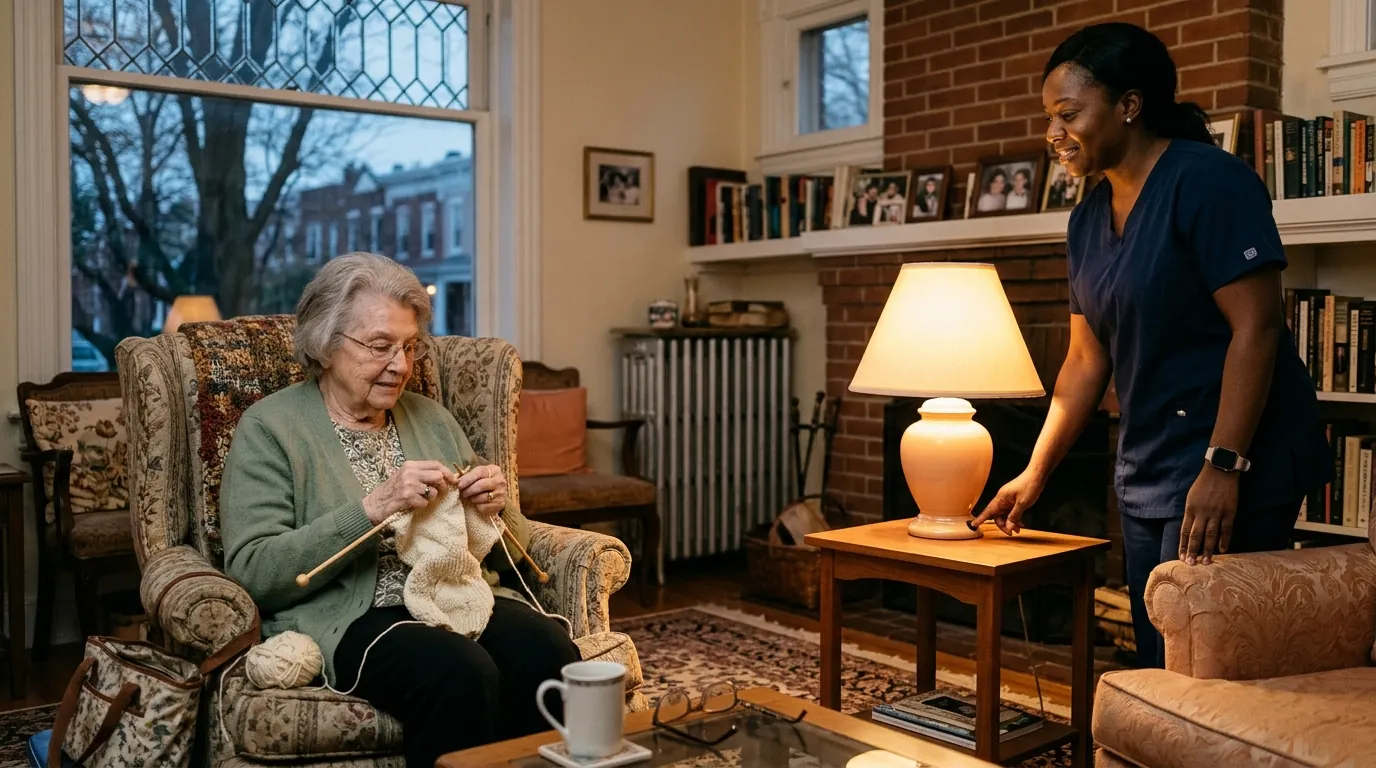
Caregiver turning on a lamp beside an older woman knitting in her armchair by a window

Explore Our Care Options

Short-term relief, round-the-clock shifts or a caregiver who lives in the home.

  • Respite Care

    Short-term in-home help so family caregivers can rest, work or take care of themselves.

    Explore Respite Care
  • 24-Hour Home Care

    Coordinated caregiver shifts for people who need support through the day and night.

    Explore 24-Hour Home Care
  • Live-In Care

    One caregiver living in the home for steady help through the day.

    Explore Live-In Care

Not sure which care option is right for your family?

Request a Free Consultation

What every home care option in Baltimore can include

Choosing between home care options in Baltimore

The question usually arrives suddenly. A parent comes home from Johns Hopkins Bayview weaker than before, or a spouse who has handled everything starts running on no sleep. You know help is needed. You are less sure how much.

Beulah Home Care in Canton arranges care at four levels. The tasks overlap; the schedule and staffing differ. Here they are side by side.

Home care options in Baltimore compared

OptionScheduleWho is in the homeTypical useHow it is usually paid
Hourly visitsA few hours a day, some or all days of the weekOne caregiver per visitHelp with bathing, meals and errands while family covers the restPrivate pay; Maryland Medicaid personal assistance (CFC, CPAS) for those who qualify
Respite carePlanned blocks: an afternoon, a weekend, a weekA caregiver stepping in for the family caregiverRest, work trips, appointments, caregiver burnoutPrivate pay; Baltimore City caregiver grants and other caregiver-support funds
24-hour careRound the clock in rotating shiftsTwo or three caregivers, someone always awakeNight wandering, frequent toileting, fall risk after darkPrivate pay; long-term care insurance; Medicaid for those who qualify
Live-in careCaregiver lives in the home with sleep time and breaksOne main caregiver, with relief on days offSteady daytime help for someone who sleeps through most nightsPrivate pay; long-term care insurance; Medicaid for those who qualify

Hourly home care visits

Hourly visits are where most families begin. A caregiver comes for a set block, often mornings for bathing or evenings for dinner and bedtime. The help itself is usually personal care at home or companion care for seniors, or a mix.

Respite care for family caregivers

In-home respite care gives the person who does most of the caregiving real time off. It can be a weekly afternoon or a full week away. Baltimore City and Maryland run caregiver programs that can help with the cost, covered on the respite page.

24-hour and live-in home care options in Baltimore

When someone cannot safely be alone at any hour, the choice is between shifts and a live-in arrangement. Round-the-clock care in shifts keeps an awake caregiver on duty all night. A live-in caregiver lives in the home and needs a private place to sleep and protected rest. Families caring for someone with dementia at home often start with hourly visits and move to 24-hour care as nights get harder.

Paying for home care in Maryland

Medicare does not pay for long-term custodial care, so it will not cover these schedules on their own. Medicaid or long-term care insurance may.

For market context, the Genworth/CareScout 2024 Cost of Care Survey put the Maryland statewide median for a home health aide at $80,080 a year, based on 44 hours a week, or about $35 an hour. That is a state median, not our rate.

Families with full Maryland Medicaid may qualify for personal assistance through programs such as Community First Choice. Our office helps families with the application steps. The full picture is on our Maryland Medicaid home care page.

How to choose a home care option

  1. Write down what happens at night: bathroom trips, confusion, calls for help.
  2. List who already helps and how many hours they can keep giving.
  3. Note recent hospital stays and what the discharge plan asked for.
  4. Call our Canton office at 410-421-1041 to book a free consultation, so someone can see the home, the stairs and the bathroom.

If a hospital discharge is the trigger, read our page on care after a hospital stay. We serve Canton, Highlandtown, Fells Point and nearby neighborhoods, plus communities across Baltimore County.

What these options do not include

All four are non-medical. Wound care, injections and skilled therapy come from a Medicare-certified home health agency or a nurse. Many families use both. When you are ready to talk it through, reach our office and we will start with the questions above.

How to start home care in Baltimore

  1. 1

    Contact Our Team

    Call (410) 421-1041 or complete our online form. Tell us about your loved one's care needs, location, and preferred schedule.

  2. 2

    Free In-Home Consultation

    We meet with you to discuss daily routines, care preferences, and the assistance needed to develop an appropriate care plan.

  3. 3

    Personalized Care Plan

    We create a written care plan outlining the agreed services, schedule, and individual care priorities.

  4. 4

    Begin Home Care

    We coordinate caregiver assignments and maintain communication with clients and families as care needs change.

Paying for home care in Maryland

Private pay

Families arrange and pay for care directly, for the schedule and level of help they choose.

Ask about private pay →

Maryland Medicaid

Beulah Home Care participates in Maryland Medicaid home care programs, including CFC, CPAS and the Community Options Waiver, for people who qualify.

Medicaid home care programs →

Long-term care insurance

Some policies include benefits for in-home help. Coverage depends on the terms of your policy.

Talk to our care team →

Questions families ask

What are the main types of home care?

Non-medical home care usually comes in four formats. Hourly visits cover a few hours a day or week. Respite care gives a family caregiver planned time off. 24-hour care uses rotating caregivers who stay awake in shifts. Live-in care places one caregiver in the home who sleeps there overnight.

Does Medicare pay for home care options like 24-hour or live-in care?

No. Medicare does not pay for 24-hour home care or for custodial help with daily activities when that is the only care someone needs. Its home health benefit covers part-time skilled nursing or therapy for people who are homebound. Families usually pay privately, use long-term care insurance, or apply for Maryland Medicaid programs.

Can we start with hourly visits and add more later?

Yes, and many families do. A few hours a week often comes first, after a fall, a hospital stay or a new diagnosis. As needs grow, visits can lengthen, overnight help can be added, and some families move to 24-hour or live-in care. A good care plan is reviewed when health or routines change.

What is the difference between 24-hour care and live-in care?

With 24-hour care, two or three caregivers work set shifts and someone is awake the whole time. With live-in care, one caregiver lives in the home, has a private place to sleep and gets breaks during the day. Live-in suits people who mostly sleep through the night. 24-hour care suits people who need help at night.

How do I know which home care option my parent needs?

Start with nights and safety. If your parent needs help after dark, overnight or 24-hour care is likely. If days are the hard part, hourly visits may be enough. If a family member already provides most care, respite gives them a break. An in-home consultation looks at mobility, memory, medications and the home itself.

Let’s talk about care at home

Call our Canton office. We’ll answer your questions about care, schedules and Maryland Medicaid, with no obligation.